Attracting Wildlife in Cities + Beekeeping Basics
Why Attracting Wildlife in Cities Matters
As urban areas expand, natural habitats are decreasing, making it essential to create spaces that attract and support wildlife in cities. By inviting wildlife into our urban environments, we can promote biodiversity, improve ecosystem health, and create a more balanced and sustainable ecosystem.
How to Attract Wildlife in Cities
- Plant Native Species: Native plants provide food and shelter for local wildlife and require less maintenance.
- Provide Water Sources: Birdbaths, ponds, or small water features can attract birds, insects, and other wildlife.
- Create Shelter: Install birdhouses, bat boxes, and insect hotels to offer safe spaces for wildlife to nest and rest.
- Limit Chemical Use: Avoid pesticides and herbicides that can harm wildlife and their habitats.
- Reduce Light Pollution: Dimming unnecessary outdoor lights can help nocturnal wildlife thrive.
The Basics of Beekeeping
Beekeeping is a rewarding hobby that not only supports pollinator populations but also provides a sustainable source of honey and beeswax. Here are some fundamental beekeeping practices:
1. Setting Up a Hive
Choose a suitable location for your hive, ensuring it has access to food sources and is protected from harsh weather conditions.
2. Understanding Bee Behavior
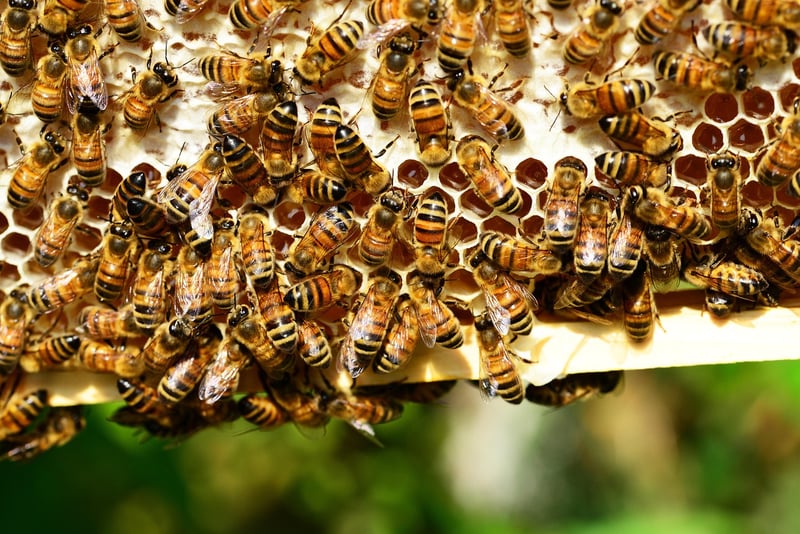
Learn about the different roles of bees within the hive and how to identify signs of a healthy colony.
3. Harvesting Honey
Harvest honey responsibly by leaving enough for the bees to sustain themselves through the winter.
4. Beehive Maintenance
Regularly inspect the hive for pests and diseases, and provide necessary care to keep your bees healthy.
5. Safety Precautions
Always wear appropriate protective gear when working with bees to minimize the risk of stings.
Benefits of Beekeeping
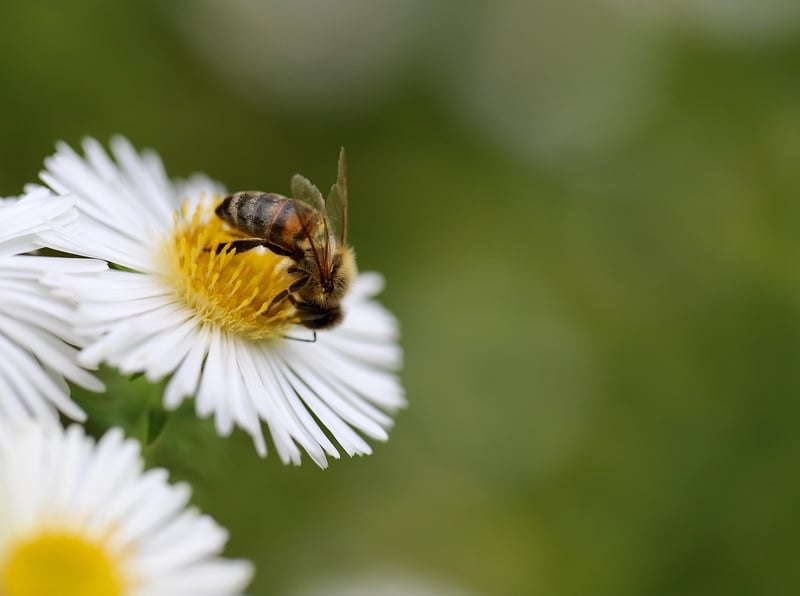
- Pollination: Bees play a crucial role in pollinating plants, ensuring food production and ecosystem health.
- Honey Production: Enjoy the sweet rewards of harvesting your own honey and beeswax products.
- Education: Beekeeping offers valuable insights into the intricate world of bees and their importance to the environment.
Start attracting wildlife in your city and consider exploring the world of beekeeping to make a positive impact on the environment and enjoy the wonders of nature up close!